Description
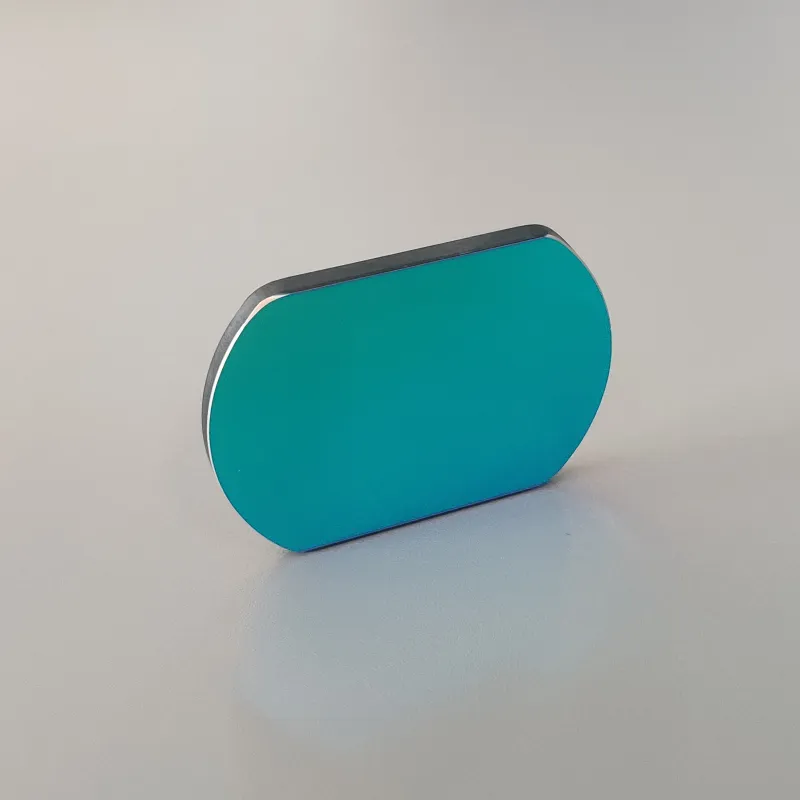
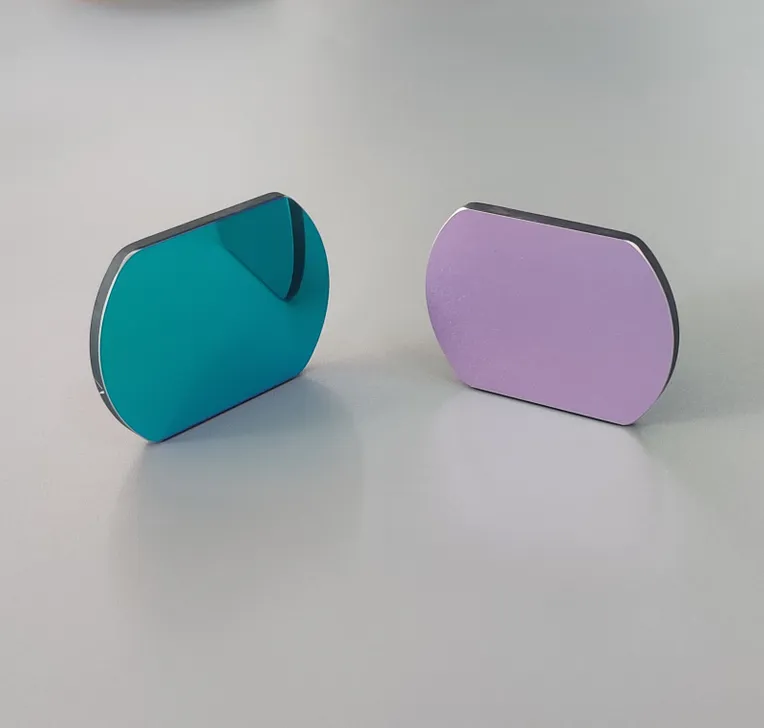
1550nm Bandpass Filter for LiDAR
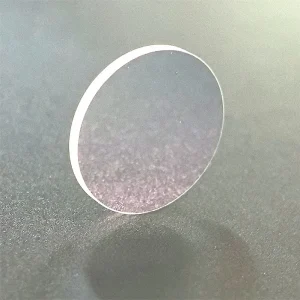
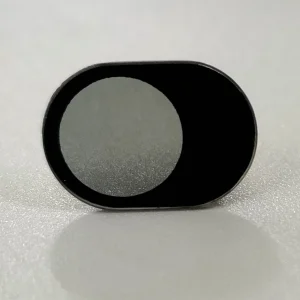
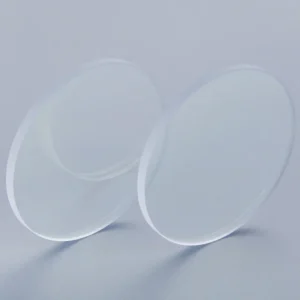
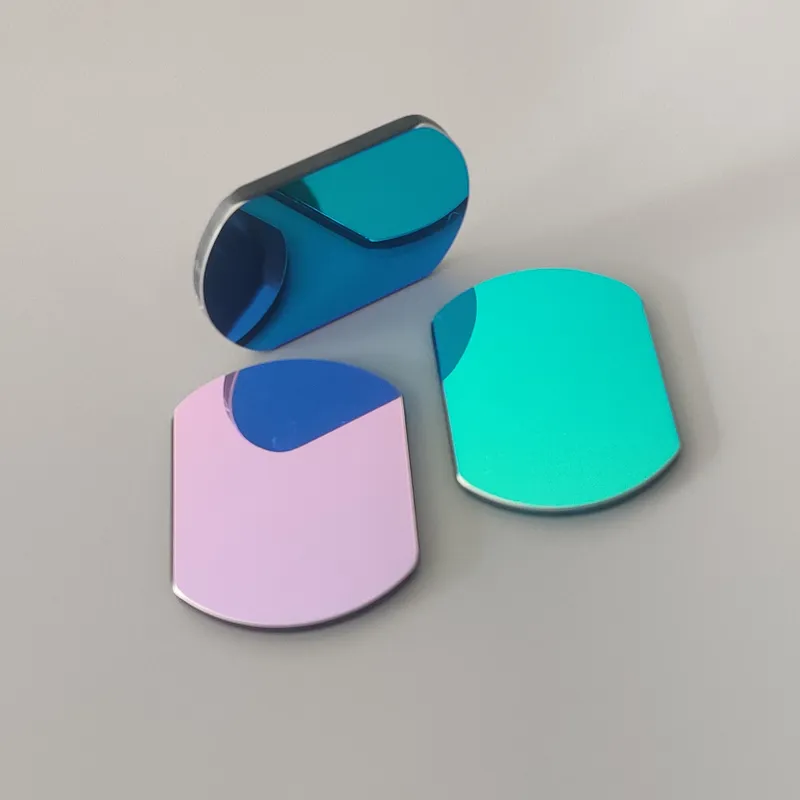
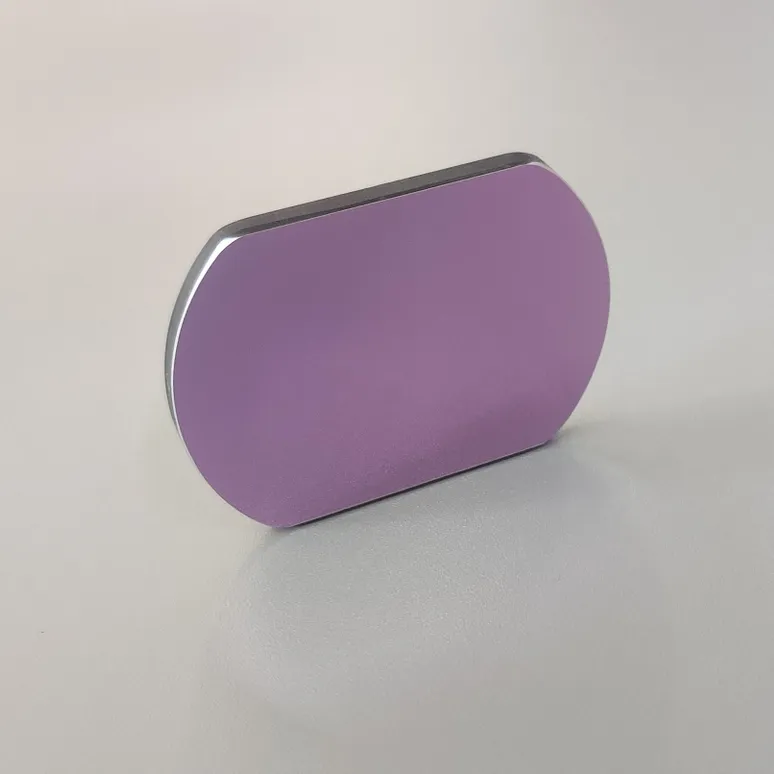
Our 1550nm bandpass filter is a precision optical filter designed for LiDAR rangefinders and other near-infrared sensing systems operating around the 1550nm wavelength. The filter selectively transmits the target 1550nm laser signal while blocking unwanted wavelengths across a broad spectral range.
By reducing ambient light and background optical noise reaching the detector, this LiDAR bandpass filter helps improve signal-to-noise performance and supports reliable distance measurement in demanding operating environments.
The filter is manufactured using HWB850 optical glass and can be customized in size, thickness, spectral performance, coating requirements, and mechanical configuration to meet different LiDAR system designs.
Optical Performance of the 1550nm Bandpass Filter
The 1550nm bandpass filter is optimized for narrow-band transmission around the 1550nm laser wavelength.
The standard coating specification includes:
- Center wavelength (CWL): 1550 ± 5nm
- Full width at half maximum (FWHM): 15nm
- Transmission: T > 90% at 1550nm
- Blocking: T < 0.01% from 200–1850nm
- Angle of incidence (AOI): 0°
The narrow passband allows the detector to receive the intended laser signal while suppressing unwanted radiation outside the operating wavelength. This is particularly useful in LiDAR systems where ambient sunlight and other optical signals can affect detector performance.
1550nm Filter for LiDAR Applications
A 1550nm filter for LiDAR can be used in optical receiving channels where precise wavelength selection is required.
Typical applications include:
- Pulsed phase-shift LiDAR rangefinders
- Long-range distance measurement
- Autonomous navigation and robotics
- 3D mapping and surveying
- Industrial LiDAR systems
- Environmental sensing
- Obstacle detection
- Near-infrared optical sensing
For LiDAR receivers, the optical filter is normally positioned in front of the detector or within the receiving optical path. Its spectral blocking characteristics help reduce unwanted background radiation while allowing the target 1550nm laser signal to pass through.
Why Use a 1550nm Bandpass Filter?
LiDAR systems operating around 1550nm require optical components with controlled spectral transmission and blocking characteristics. A properly designed bandpass filter can help reduce the amount of unwanted optical energy entering the detector.
The main benefits include:
- High transmission at the target 1550nm wavelength
- Narrow spectral passband
- Strong blocking across a wide wavelength range
- Reduced influence from ambient optical radiation
- Stable optical performance
- Compatibility with customized LiDAR receiver designs
The filter can therefore contribute to more stable optical detection and reliable range measurement when integrated with a suitable LiDAR optical system.
Specifications
| Parameter | Standard Specification |
|---|---|
| Substrate | HWB850 |
| Dimensional Tolerance | -0.1mm |
| Thickness Tolerance | ±0.05mm |
| Surface Flatness | 3(1) @ 632.8nm |
| Surface Quality | 60/40 |
| Edges | Ground, 0.3mm max. full-width bevel |
| Clear Aperture | ≥90% |
| Parallelism | <30 arcsec |
| Coating | 1550nm Bandpass Coating |
| Center Wavelength | 1550 ± 5nm |
| FWHM | 15nm |
| Transmission | T > 90% @ 1550nm |
| Blocking | T < 0.01% @ 200–1850nm |
| AOI | 0° |
Specifications can be adjusted according to the optical design and mechanical requirements of the customer’s LiDAR system.
Custom 1550nm Optical Filters
Jiujon Optics provides customized 1550nm optical filters for different LiDAR and near-infrared sensing applications.
Depending on the project requirements, we can discuss customization of:
- Filter dimensions and thickness
- Center wavelength
- Passband width
- Transmission level
- Blocking range
- Angle of incidence
- Substrate material
- Edge treatment
- Mechanical configuration
Custom spectral specifications can be developed according to the customer’s optical system and detector requirements.
Manufacturing and Quality Control
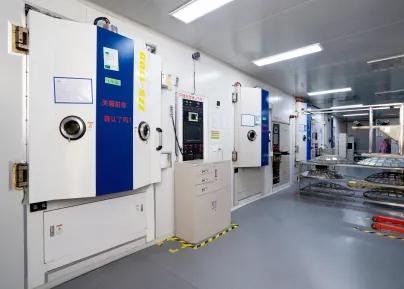
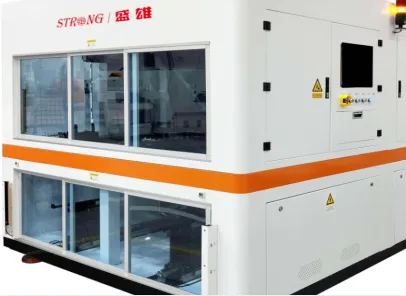
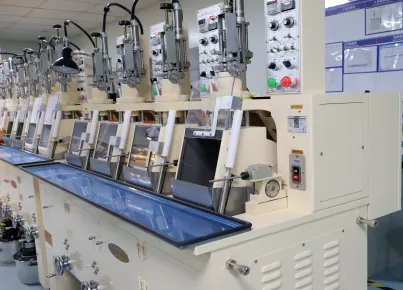
The 1550nm bandpass filter is produced through precision optical processing and coating processes. Key manufacturing operations include optical glass processing, polishing, cleaning, thin-film coating, inspection, and final quality control.
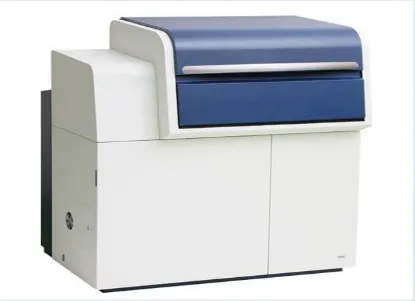
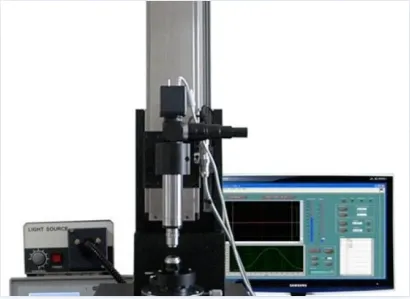
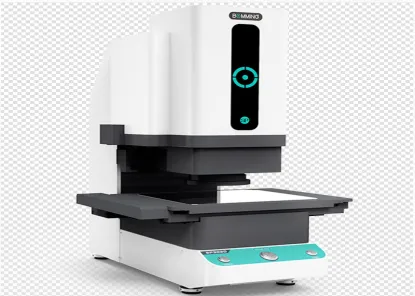
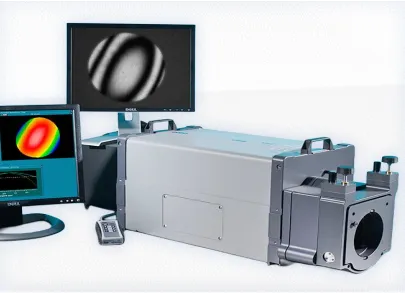
Optical performance can be inspected using equipment such as the Hitachi UH4150 spectrophotometer and ZYGO interferometer.
These inspection capabilities allow key optical parameters such as spectral transmission, surface flatness, and surface quality to be controlled according to project specifications.
FAQ
What is a 1550nm bandpass filter?
A 1550nm bandpass filter is an optical filter designed to transmit light within a defined wavelength range around 1550nm while blocking wavelengths outside the passband. It is commonly used in LiDAR and other near-infrared optical systems.
Why is a 1550nm filter used in LiDAR?
A 1550nm filter can help isolate the LiDAR laser signal from unwanted ambient and background radiation. This can improve the optical signal received by the detector and support stable range measurement.
Can the 1550nm bandpass filter be customized?
Yes. Filter dimensions, thickness, center wavelength, FWHM, transmission, blocking range, substrate, and other specifications can be customized according to the optical system requirements.
What substrate is used for this filter?
The standard version uses HWB850 optical glass. Other substrate options may be discussed depending on the required spectral range, mechanical requirements, and application.
Can Jiujon Optics supply samples for evaluation?
Yes. Sample production can be discussed based on the required optical specifications and application requirements. Please contact us with your target wavelength, passband, blocking range, dimensions, and quantity.
Request a Custom 1550nm Bandpass Filter
If you are developing a LiDAR rangefinder, 1550nm sensing system, or other near-infrared optical instrument, Jiujon Optics can provide customized bandpass filters according to your optical and mechanical requirements.
Please send us your required wavelength, FWHM, transmission, blocking range, dimensions, substrate, and estimated quantity for a technical evaluation and quotation.