
Optical flat mirrors are widely used to redirect light in optical systems, laser equipment, imaging instruments, measurement devices, and other photonics applications. However, different mirror coatings provide different levels of reflectivity, spectral ranges, durability, and environmental resistance.
Choosing the right optical flat mirror therefore depends mainly on the wavelength, angle of incidence, required reflectivity, and operating environment.
Below are four commonly used mirror coating options and their typical characteristics.
Aluminum coated mirrors can be divided into bare aluminum mirrors and protected aluminum mirrors.
Protected aluminum mirrors have an additional layer of MgF₂ or SiO₂ deposited over the aluminum coating. This protective layer helps reduce oxidation and protects the coating from scratches and environmental damage.
Aluminum coatings provide good reflectivity over a broad spectral range and can be used for ultraviolet (UV), visible, and near-infrared (NIR) applications.
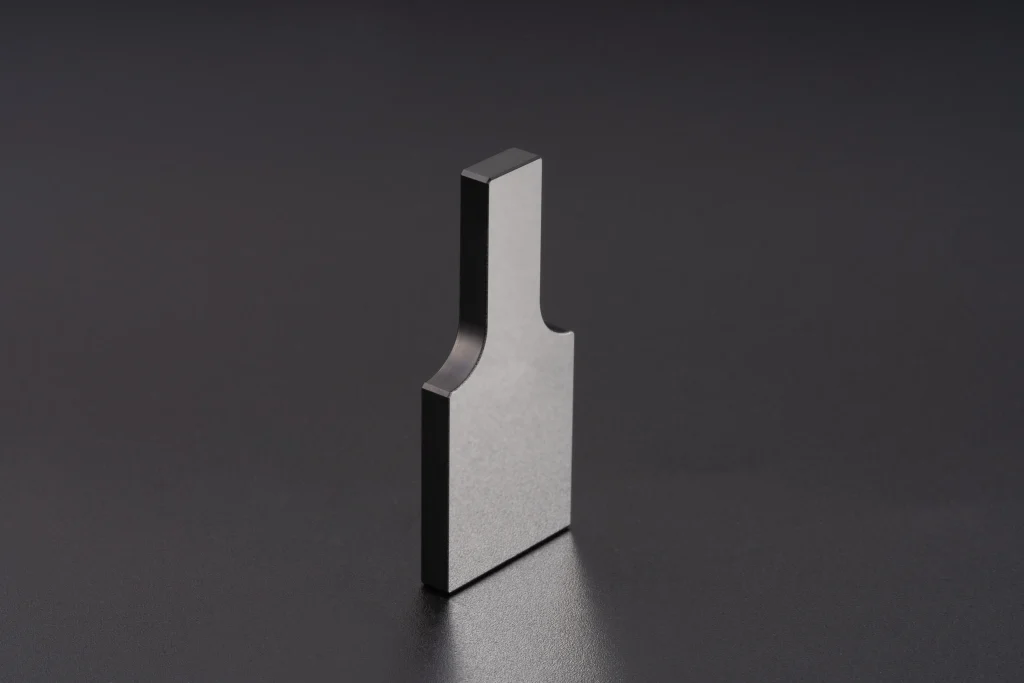
Protected aluminum mirrors are a practical choice when both broad spectral coverage and coating durability are required.
Gold coated mirrors are designed for high reflectivity in the near-infrared (NIR) and infrared (IR) spectral regions.
To improve the adhesion of the gold coating to the substrate, a very thin chromium adhesion layer is typically deposited underneath the gold film.
Gold coatings are relatively insensitive to changes in the angle of incidence, making them suitable for optical systems operating over different incidence angles.
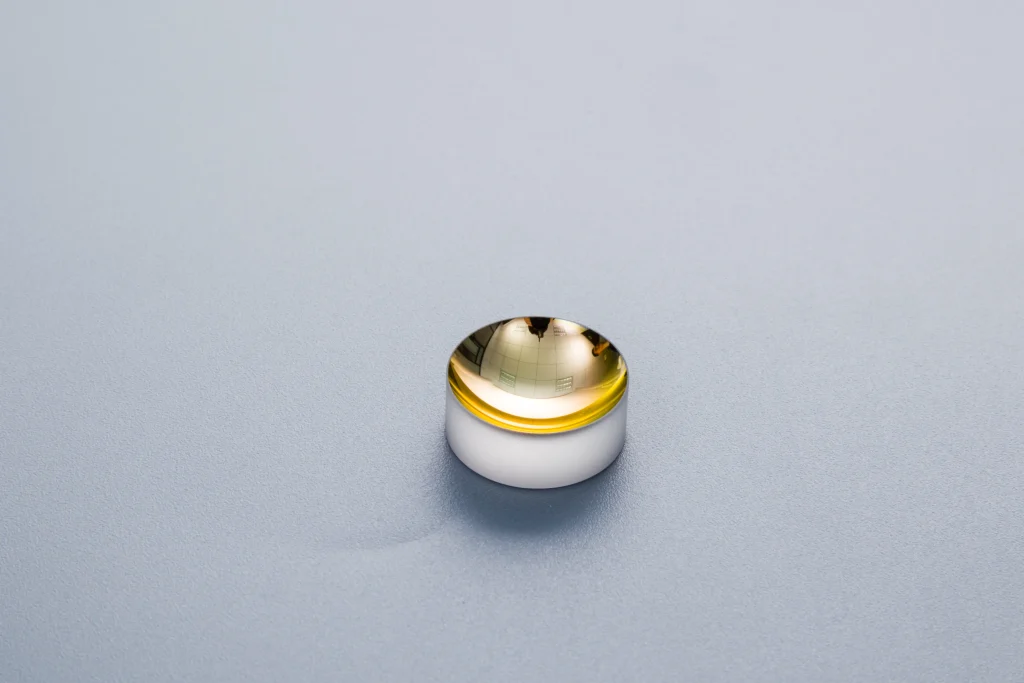
For infrared applications, gold coated mirrors provide high reflectivity while the portion of light that is not reflected is absorbed by the coating rather than transmitted through the mirror.
For applications involving elevated temperatures or high thermal loads, silicon substrates can provide advantages over glass substrates, including stronger coating adhesion, higher thermal conductivity, and better heat resistance.
Silver coated mirrors provide high average reflectivity from the visible spectrum into the near-infrared region.
Because silver is susceptible to oxidation, a protective coating is generally applied to the silver film to improve environmental stability and extend its service life.
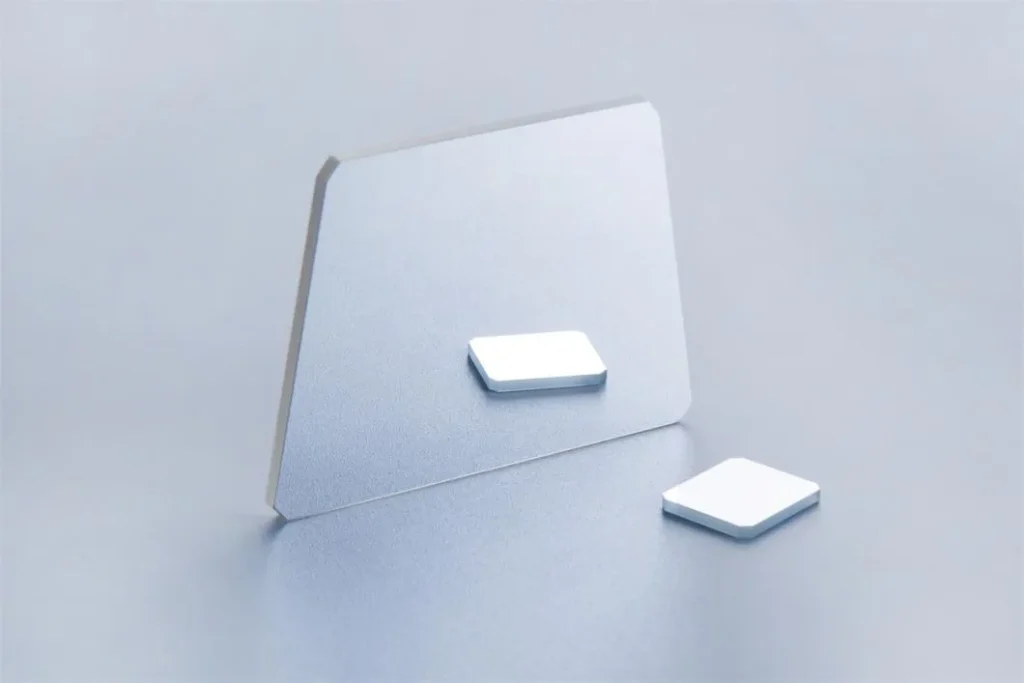
Compared with aluminum coated mirrors, silver mirrors can provide higher reflectivity across the visible to near-infrared wavelength range.
Compared with dielectric mirrors, their reflectivity is generally less sensitive to the angle of incidence. This makes protected silver mirrors suitable for optical systems where the angle of incidence may vary.
The protective layer also improves the mechanical durability of the coating, helping reduce the risk of damage during normal cleaning and handling.
Broadband dielectric mirrors use multilayer dielectric coatings to achieve high reflectivity across a relatively wide wavelength range.
They are particularly suitable for applications such as wavelength-tunable lasers, broadband optical systems, and white-light applications.
Unlike metallic mirror coatings, dielectric coatings are more sensitive to the angle of incidence. Unless otherwise specified, the angle of incidence for our dielectric mirrors is generally assumed to be 45°.
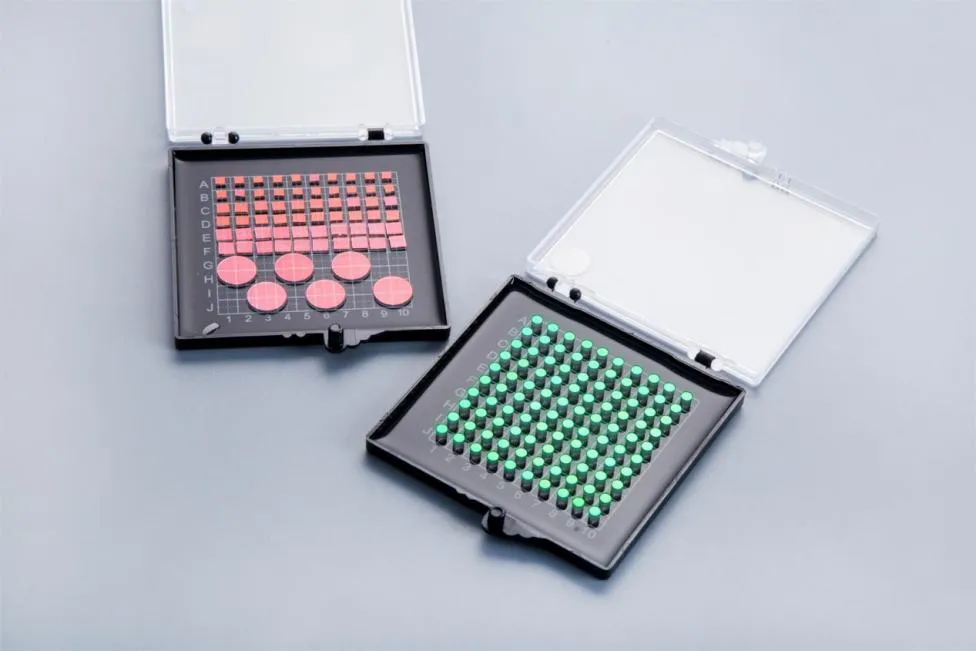
One major advantage of dielectric coatings is their very low optical absorption. As a result, they can be suitable for applications requiring high reflectivity and resistance to continuous laser irradiation.
The appropriate mirror coating should be selected according to the requirements of the optical system.
In addition to wavelength, factors such as angle of incidence, substrate material, coating durability, laser power, and operating temperature should also be considered.
At Jiujon Optics, we provide customized optical mirrors with different substrates, coating materials, wavelength ranges, and performance requirements for a variety of optical and photonics applications.
If you are selecting a mirror for a specific wavelength or optical system, our technical team can help recommend a suitable coating and substrate configuration.